
INSIGHTS
What having an in-house content studio actually changes
What changed once we had a room of our own: turnaround, consistency, and what it did to the work itself.
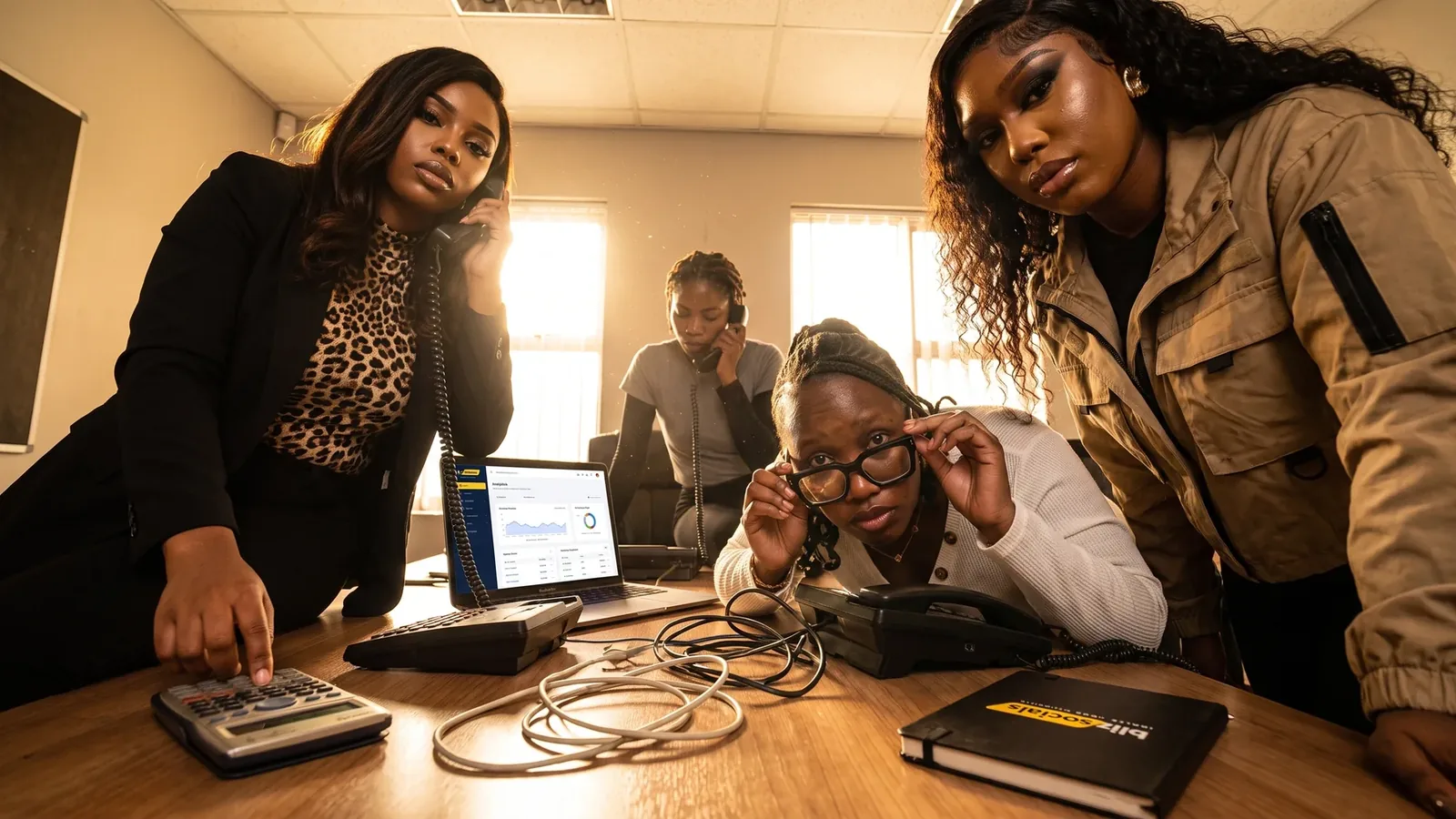
Every agency in Lagos says they have a studio. Some mean a company with a camera, some mean a friend with a camera, and a few mean a room, lights, and people who do this every week. The difference matters less than the brochures suggest and more than clients expect, and it shows up in places nobody puts on a proposal.
The short version
• An in-house studio changes the speed, the consistency and the arguing.
• Outsourced production means waiting. In-house means shooting on Tuesday because Tuesday is when it matters.
• The saving is real but it is not the main reason.
• The main reason is that the people who planned it are the people who shoot it.
The obvious answer, which is only half right
The obvious answer is money. Cut out the production company, keep the margin, charge the client less. That is true, and it is genuinely part of it, and it is not the reason that matters.
The reason that matters is that the people who planned the campaign are the people holding the camera. When the strategist who decided what this month is for is standing in the room while it is shot, the shoot changes as it goes, and it changes in the right direction.
Speed, which is really about relevance
Outsourced production runs on other people's calendars. You brief in the last week of the month, they shoot a fortnight later, you get files a week after that, and by the time it goes out the reason you wanted it has moved on.
In-house means shooting on Tuesday because Tuesday is when it matters. A client's competitor does something worth answering, a product sells out and there is a story in it, a partner posts something you should be part of. None of that survives a three week production cycle, and all of it is where the actual growth lives.
You are not paying for the shoot. You are paying for the argument before the shoot.
Consistency, which is the boring one that wins
Feeds do not fail dramatically. They fail by drifting: a slightly different blue here, a different caption voice there, one month where the reels look sharp and the next where they look like somebody else made them, because somebody else did.
The same room, the same lights and largely the same three people is what stops that. It is not a creative advantage so much as an administrative one, and it is the single thing clients notice six months in without being able to name it.
The argument before the shoot
This is the part clients are actually paying for and never see. Four people around one laptop, disagreeing about whether the concept is any good, an hour before anybody touches a camera. Somebody says the hook is soft. Somebody else says the audience will not care about the second half. It gets rewritten. That hour is worth more than the shoot day, and it only happens if the people in it are on the same team and can be honest with each other.
You do not get that hour from a freelancer you briefed by email. You get exactly what you asked for, which, as any client who has briefed badly will tell you, is not the same thing as what you wanted.
When outsourcing is the better call
We will say this plainly because a lot of agencies will not. In-house is not always right. A national TV commercial needs a crew and a director who does that and only that. A specialist shoot, whether surgical, industrial, or anything requiring access we do not have, needs specialists. We subcontract for those, we say so, and the client knows who is doing what.
An agency that claims it does everything itself is either much bigger than it looks or not being straight with you.
What it means for what you get
In practice: a shoot day produces a month of content rather than one campaign's worth, because it was planned by people who know what the month needs. Reshoots are cheap, which means the bar for "good enough" moves up. And when something changes in week three, it can change, instead of becoming an awkward conversation about scope.